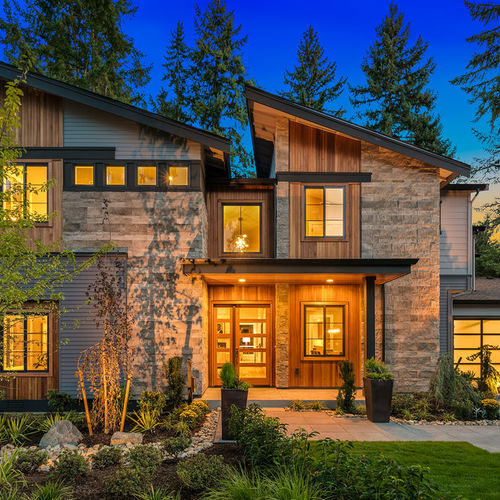
Buying a Home with a Multigenerational Family in Seattle: What You Need to Know
More Seattle families are choosing to live together across generations — and for good reason. Multigenerational living offers financial leverage, built-in childcare, elder care solutions, and a depth of family connection that separate households simply can't replicate. But finding the right home for multiple generations under one roof in Seattle's competitive market takes a very specific kind of expertise. TC Wu at WPI Real Estate has helped families across King County navigate exactly this challenge for over five decades.
The Four Home Layouts That Work Best for Multigenerational Families
Not every large home works for multigenerational living. Here's what to look for — and what to avoid.
Homes with ADUs (Accessory Dwelling Units)
Detached accessory dwelling units — also called backyard cottages or in-law suites — are the gold standard for multigenerational living in Seattle. They provide true privacy and independence for parents or adult children while keeping the family close. Seattle's updated zoning laws now allow ADUs on most single-family lots in King County, and many homes already have them permitted and ready to occupy. This is TC Wu's most-recommended configuration for families who want togetherness without sacrificing personal space.
Dual Master Suite Homes
Homes designed with two full primary suites — ideally on separate floors — allow multiple generations to share a single structure while maintaining meaningful bedroom and bathroom privacy. Look for homes where the secondary suite has its own entrance, sitting area, and full bath. In Bellevue, Kirkland, and Redmond, newer construction frequently includes dual-master configurations specifically designed for multigenerational buyers, particularly within the region's large Asian American community where this living arrangement is culturally common and practically preferred.
Daylight Basement Homes
Seattle's hillside geography produces an abundance of daylight basement homes — properties where the lower level opens at grade to natural light and a private exterior entrance. These make excellent multigenerational configurations when the basement includes a full kitchen, bathroom, and living area. They're also more affordable than ADU-equipped properties, making them a strong entry point for families looking to combine households without stretching their budget. Neighborhoods like Beacon Hill, Rainier Valley, and Shoreline offer excellent daylight basement inventory.
New Construction with Multigenerational Floorplans
Several Eastside builders now offer floorplans specifically designed for multigenerational living — with dedicated guest suites, separate entrances, and soundproofing built in from the ground up. Communities in Sammamish, Issaquah, and Bothell have seen a surge in these purpose-built configurations. While new construction carries a premium, families who build to their specific needs avoid the costly retrofitting that older homes often require — and gain the peace of mind of modern systems, warranties, and energy efficiency from day one.
"In my 50 years in Seattle real estate, multigenerational families who find the right home together build wealth faster, support each other better, and — almost without exception — tell me it was the best decision they ever made."— TC Wu, WPI Real Estate | Top Seattle Realtor
Best Seattle-Area Neighborhoods for Multigenerational Families: 2026
Where to search based on layout availability, school quality, transit access, and community character.
| Neighborhood | Price Range | ADU Availability | School Rating | Best Fit |
|---|---|---|---|---|
| Bellevue / Eastgate | $1.2M – $2.8M | High | Excellent | Asian American families, tech households |
| Redmond | $1.0M – $2.2M | High | Excellent | Microsoft employees, dual-income families |
| Shoreline | $750K – $1.4M | Moderate | Very Good | Budget-conscious families, light rail access |
| Beacon Hill | $650K – $1.2M | Moderate | Good | Diverse families, daylight basements |
| Sammamish | $1.1M – $2.5M | High | Excellent | New construction, suburban space |
| Bothell (Snohomish side) | $800K – $1.6M | Moderate | Excellent | Value seekers, Northshore school district |
Financing a Multigenerational Home in Seattle: What You Need to Know
- Fannie Mae's HomeReady program allows rental income from an ADU to count toward qualifying income — making larger homes more affordable to finance
- Multiple family members can co-borrow on a single mortgage, combining incomes to qualify for higher loan amounts in Seattle's premium market
- FHA loans allow gift funds from family members for down payments — useful when pooling resources across generations
- If the ADU will be rented to a non-family member, 75% of projected rental income can often be counted toward income qualification
- Washington State's first-time homebuyer programs can sometimes be used by one generation even when another generation already owns property elsewhere
5 Things Every Multigenerational Buyer Must Address Before Closing
Get these right before you sign and you'll avoid the most common sources of post-purchase conflict.
Agree on Ownership Structure Before You Shop
Will the home be owned jointly? By one generation with a family loan agreement? In a family LLC or trust? How title is held has major implications for taxes, estate planning, and what happens if circumstances change. Consult a real estate attorney before you make an offer — not after. TC Wu can refer you to trusted legal partners who specialize in multigenerational ownership structures in Washington State.
Define Shared Space Expectations in Writing
Laundry access, backyard use, parking allocation, guest policies, and noise expectations all seem minor until they're not. Families who put shared space agreements in writing before moving in avoid the conversations that erode relationships. It's not about distrust — it's about respect. A simple one-page household agreement drafted before move-in protects everyone.
Verify All Permits and Unit Legality
Unpermitted ADUs and basement apartments are common in Seattle's older housing stock. Before purchasing any home with a secondary unit, confirm all permits are pulled, inspections passed, and a certificate of occupancy exists. Buying a home with an illegal unit can result in fines, required removal, and lending complications that no family should face after closing.
Plan for Accessibility Now — Not Later
If aging parents or grandparents are part of the household, think about single-floor living options, wide doorways, walk-in showers, and proximity to medical facilities today. Retrofitting for accessibility later is expensive and disruptive. In Seattle, Swedish Medical Center, UW Medical Center, and Virginia Mason's Eastside locations are strong proximity considerations for families with health-conscious elderly members.
Work with a Realtor Who Understands Your Culture
Multigenerational living is particularly common in Seattle's Chinese, Vietnamese, Korean, Filipino, and South Asian communities — and the nuances of what makes a home work for these families go beyond square footage. TC Wu's bilingual capabilities and deep roots in Seattle's Asian American community mean he understands what you need at a level that most agents simply cannot offer. Visit www.tcwu.com to start the conversation.
Frequently Asked Questions
Answers from TC Wu on buying multigenerational homes in the Greater Seattle area.
Bringing Your Family Together Under One Roof in Seattle?
TC Wu has helped Seattle families find the right multigenerational home for over 50 years. Let's find yours.
Check out this article next